Every January, churches across the country pause to remember Sanctity of Life Sunday—a moment to reflect on the value of human life and the God who gives it. I wanted to root that conversation in something even larger than a cultural debate: Scripture teaches that human beings were created to worship, and what we worship ultimately shapes how we live and what we value.
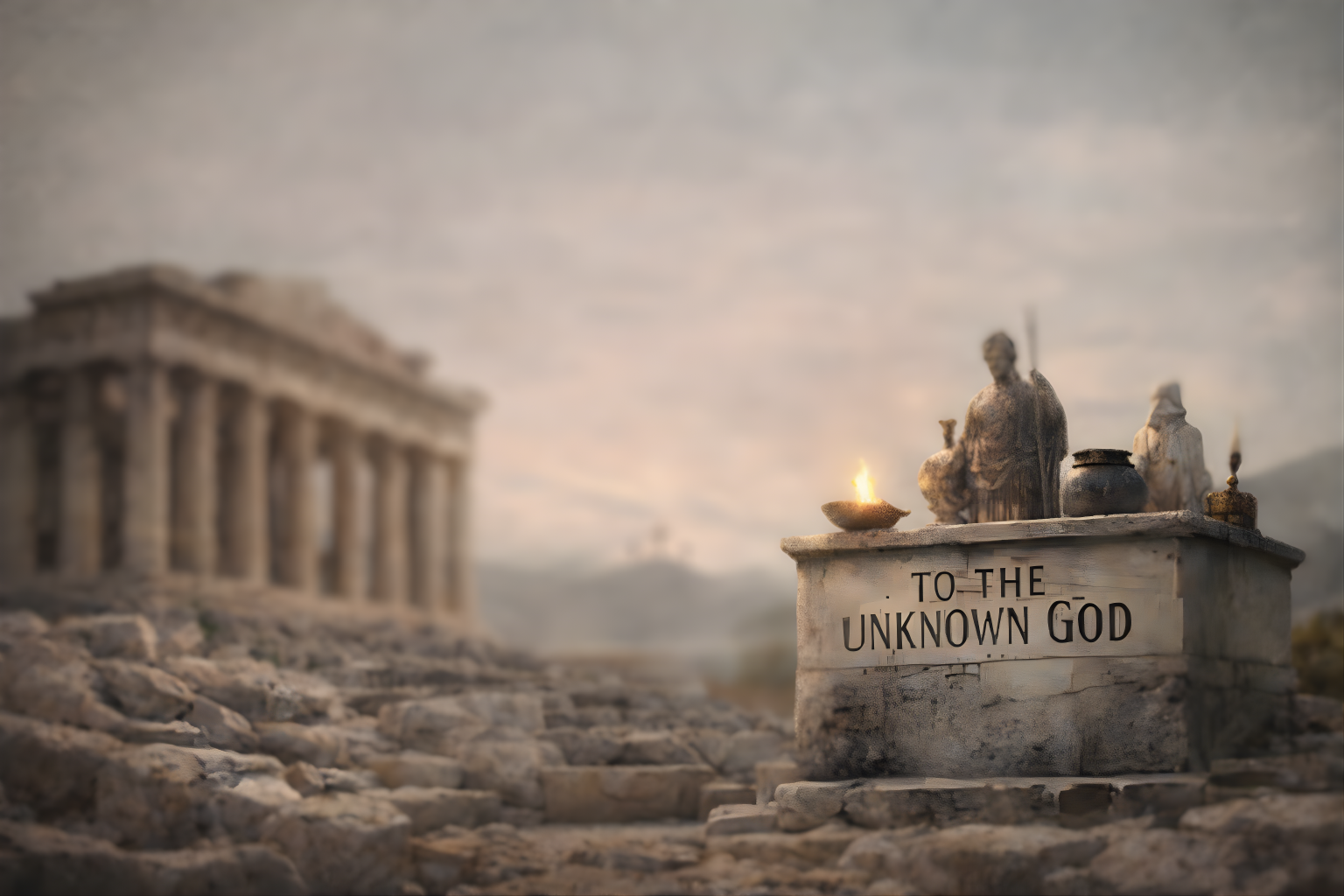
In Acts 17, the Apostle Paul stands in Athens surrounded by temples, statues, and altars. The city was overflowing with religious activity, yet Paul recognized something deeper—worship was everywhere, but it was misdirected. Even an altar “to the unknown god” revealed that people sensed something beyond themselves but did not truly know the living God. Paul seized that moment to proclaim the truth: the true God is not distant or unknowable. He is the Creator of heaven and earth, the giver of life and breath, and the sovereign Lord over all things.
From Paul’s message flow three unavoidable realities.
First, every person worships.
Human beings are not neutral creatures drifting through life without ultimate commitments. We all arrange our lives around something—success, comfort, approval, freedom, security, entertainment, or control. The question is never if we worship; it is what we worship.
Second, God alone is worthy of worship.
Paul reminded the Athenians that God does not live in temples made by human hands and does not depend on His creation. Instead, everything depends on Him. Scripture consistently affirms that all things are from Him and for Him. Worship is not optional; it is the only fitting response to who God is. When we attempt to reshape God into something manageable—an assistant to our plans rather than the sovereign Lord—we repeat the same error as the idol-makers of Athens.
Third, right worship demands repentance.
Once God makes Himself known, neutrality disappears. Paul declared that God now commands all people everywhere to repent, because a day of righteous judgment is fixed—and the resurrection of Jesus guarantees that this judgment is real. Repentance is not moral self-improvement; it is turning from every false god and trusting Christ alone for forgiveness and new life.
This theology matters profoundly for how we view human life. Every unborn child is not merely a developing body but a human being created to glorify God. To destroy that life is not only to end biological existence—it is to silence a worshiper. When God is worshiped rightly, life is seen clearly as sacred, purposeful, and valuable from the womb to the grave.
So I want to ask the same searching questions Paul forces upon us: What quietly governs your priorities? What are you arranging your life around? Where do you look for hope and security?
God did not create us for ourselves—He created us for Himself. We will never see life rightly, value people properly, or experience true joy until we worship Him alone. In a culture overflowing with substitutes for God, the call remains the same as it was in Athens: turn from false worship, bow before the risen Christ, and live for the purpose you were created to fulfill—to worship the living God.